-1222.png )
Extrusion Screen Changers
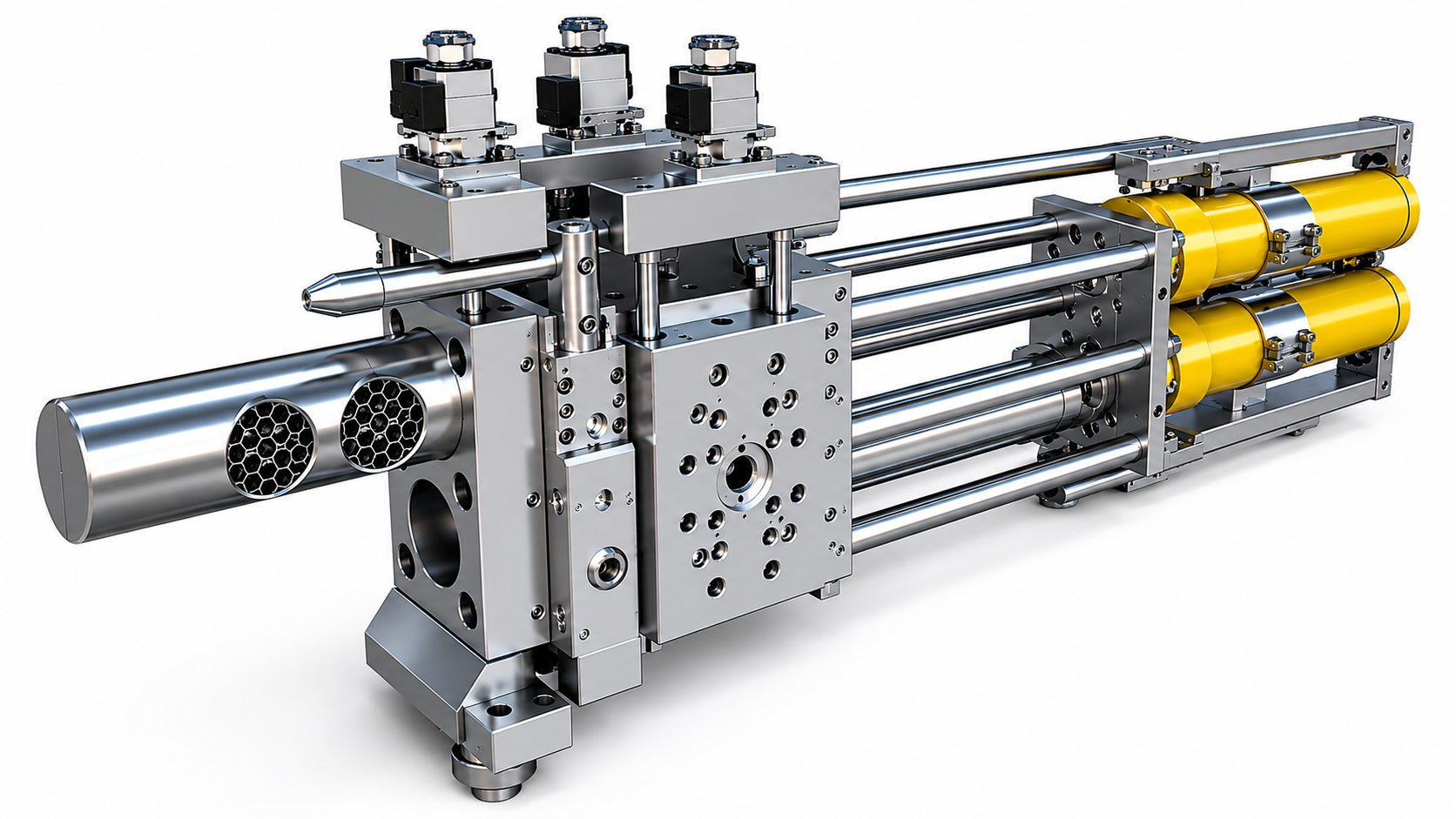
AP offers a range of screen changers fit for your pipe production extrusion lines. The Screen Changer is a critical component in extrusion lines, ensuring the removal of contaminants and impurities from molten plastic to maintain product quality and protect downstream equipment. Choosing the right type of screen changer depends on your production requirements, line speed, and operational needs.
Extrusion Screen Changers: Choosing the Right Solution for Your Production Line
Manual Screen Changers
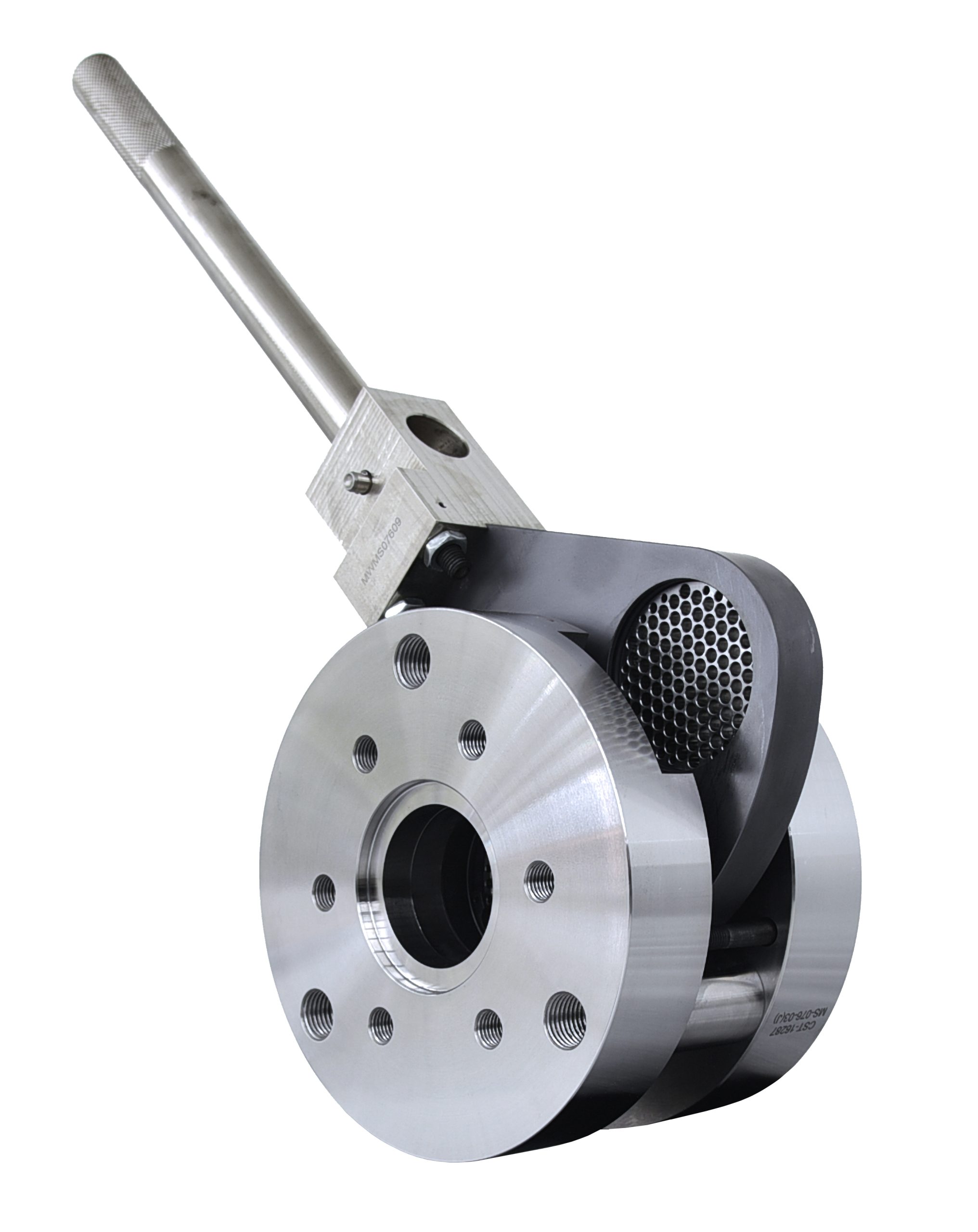
How They Work:
Operators manually replace the filter screens by halting the production line and physically accessing the changer. This process requires stopping the extrusion process temporarily.
| Advantages: | Disadvantages: |
| > Cost-effective option for smaller-scale production or infrequent screen changes. > Simple to operate and maintain. > Ideal for tight spaces | > Downtime is required for screen changes, reducing production efficiency. > Screen Change can only be done after back pressure has dropped. > Labor-intensive, making it less suitable for high-speed or continuous production lines. |
Hydraulic Screen Changers
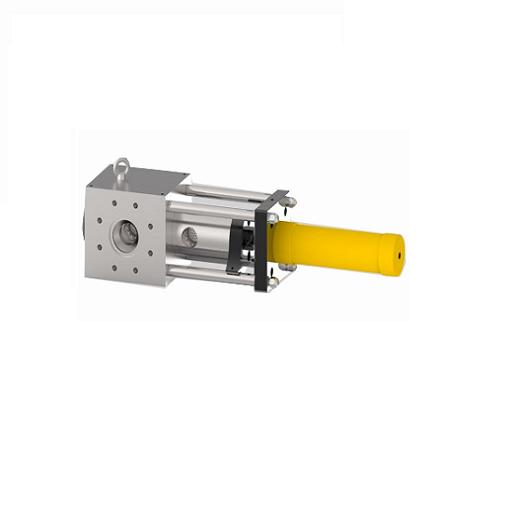
How They Work:
Hydraulic screen changers use hydraulic power to quickly replace screens. Screens are moved in and out of position with a hydraulic piston.
| Advantages: | Disadvantages: |
| > Faster screen changes compared to manual changers. > Screen change can be done even while high back pressure is existing. > Suitable for medium-to high-speed production lines. | > Requires a hydraulic system, which increases initial investment. > Maintenance of the hydraulic system can be more complex than manual options. > Requires more space for installation and setup. |
Automatic Screen Changers
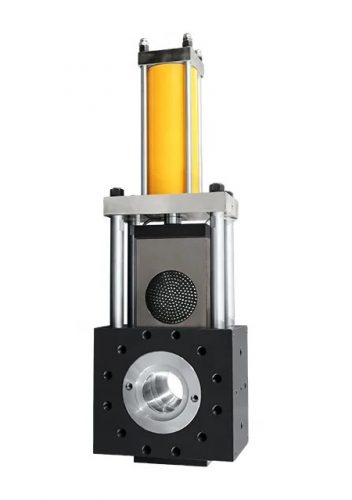
How They Work:
Automatic screen changers also the screen changing to take place during production and therefore it does not interrupt the extrusion line.
| Advantages: | Disadvantages: |
| > No downtime during screen changes, ensuring continuous production. > Ideal for high-speed, high-volume production environments. > Reduces scrap and improves overall efficiency. > Minimal labor requirements, lowering long-term operational coasts. | > Higher upfront cost due to advanced technology > Requires more space for installation and setup. |
Which Screen Changer Is Right for You?
Manual Screen Changers:
Best for small-scale operations or low-speed lines where downtime is less critical.
Hydraulic Screen Changers:
Ideal for medium-scale production where efficiency and reduced downtime are important but budget constraints exist.
Automatic Screen Changers:
The top choice for high-speed, continuous production lines where maximum efficiency and minimal downtime are essential.
Why Choose AP Screen Changers?
At AP, we offer a full range of screen changers tailored to your extrusion needs. Whether you’re looking for a cost-effective manual option, a robust hydraulic solution, or a state-of-the-art automatic system, we provide high-quality, durable products designed to enhance your production efficiency.